
Justice for All Summer Clerks are law students funded by the Foundation to expand opportunities to work in civil legal services.
2026 Clerks
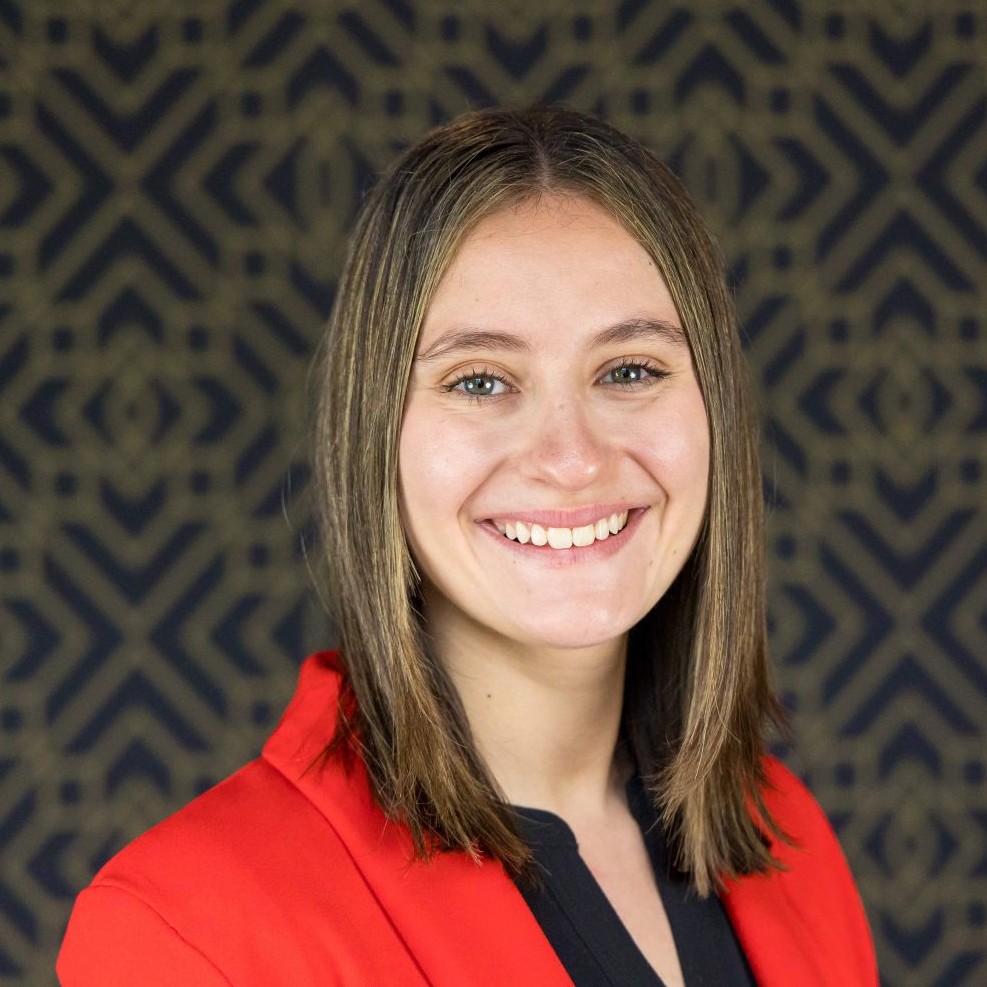
Jana Abulaban
Host: Asian Services in Action
Law School: Cleveland State University College of Law
Q: What made you want to become a Justice for All Summer Clerk?
I wanted to become a Justice for All Summer Clerk because it combines two things that have always been important to me: service and learning. Many of my experiences, from working with students through City Year Americorps, to studying Peace, Justice, and Human Rights, have centered on supporting people and communities. The opportunity to gain hands-on legal experience while contributing to an organization that expands access to justice was incredibly meaningful to me.
Q: What would be your lowkey superpower (not comic book cool, but still something helpful)?
My lowkey superpower is my ability to read information quickly.
Q: What drew you to law school?
I was drawn to law school because I have always been interested in justice, advocacy, and helping people navigate difficult situations. My studies in Forensic Psychology and Peace, Justice, and Human Rights exposed me to many of the systemic challenges people face, and I became interested in how the law can be used as a tool to address those challenges. Law school felt like a natural way to combine my interests in service, problem-solving, and advocacy.
Q: What is something that people would not guess about you?
People are often surprised to find out that I am a law student and do not drink coffee.
Q: What do you expect to gain/learn from your summer working with your legal aid/civil legal service non-profit?
My biggest goal this summer is to learn. As a law student, so much of what we do is in the classroom, and I’m incredibly grateful for the opportunity to gain hands-on experience this summer. I’m excited and privileged to learn from attorneys who do this work every day, see how legal concepts translate into practice, and better understand how legal aid organizations directly serve communities. I have a lot to learn, and I’m looking forward to absorbing as much as I can.
Q: If you could fill one room with anything, what would it be?
If I could fill a room with anything it would be books. I love to read and one day want to have a library in my own house one day.
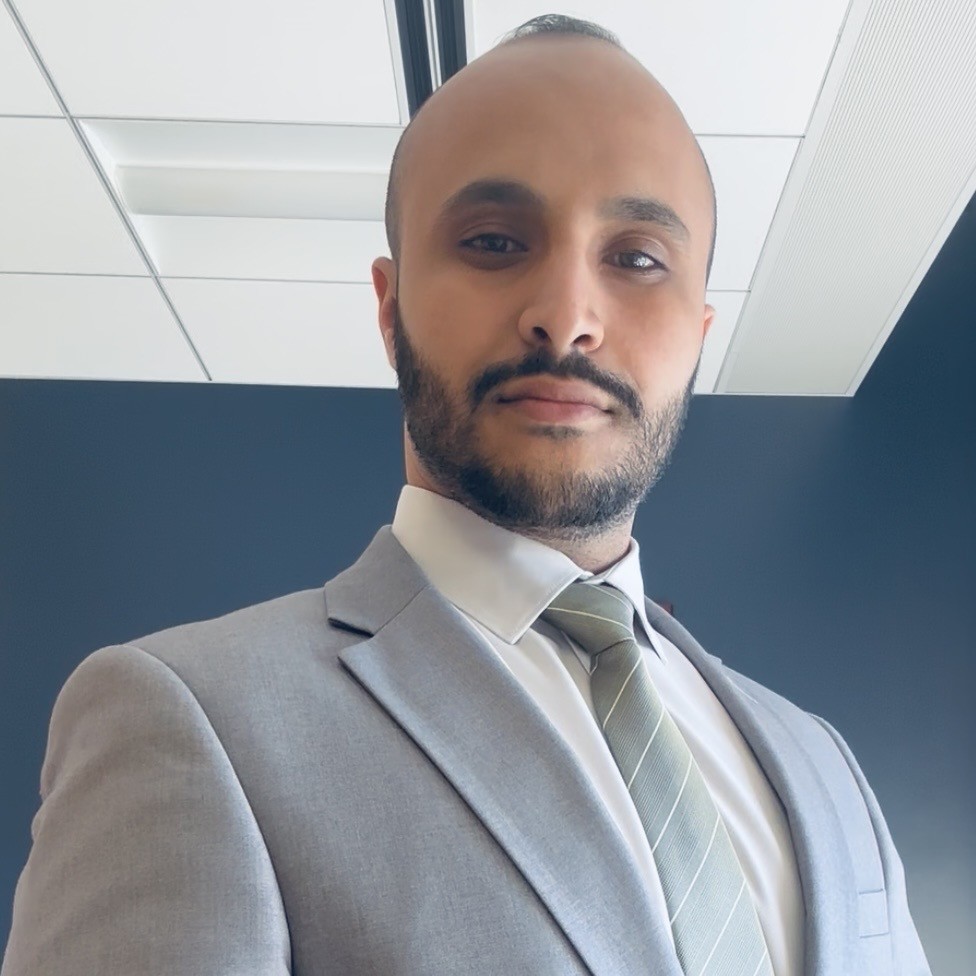
Harwan Alaatre
Host: Legal Aid of Western Ohio
Law School: The University of Toledo College of Law
Q: What made you want to become a Justice for All Summer Clerk?
I was drawn to the Justice for All Summer Clerk program because it provides an opportunity to use my legal education to help people who might otherwise struggle to access legal services. Throughout law school, I’ve become increasingly aware of how much a person’s ability to navigate the legal system can affect their everyday life. I wanted an experience that would allow me to work directly with clients, develop practical legal skills, and contribute to organizations that are committed to ensuring that justice is not limited by someone’s financial circumstances.
Q: What would be your lowkey superpower (not comic book cool, but still something helpful)?
My lowkey superpower would be instant comprehension. Whether it’s a new legal issue, a complicated set of facts, or a completely unfamiliar topic, I’d love to be able to grasp it immediately. As a law student, I’ve learned that much of the profession involves constantly learning new subjects, so being able to quickly understand and adapt would be incredibly useful.
Q: What drew you to law school?
I was drawn to law school because I wanted a career that combined problem-solving, advocacy, and public service. Throughout my personal and professional experiences I have seen how difficult it can be for people to navigate complex institutions and systems. Law offered a way to help individuals overcome those challenges while also working toward broader solutions.
Q: What is something that people would not guess about you?
People are often surprised to learn that I come from a small rural town in south-central Michigan. Most people don’t associate a Yemeni-American law student with growing up in a rural community.
Q: What do you expect to gain/learn from your summer working with your legal aid/civil legal service nonprofit?
I hope to gain a deeper understanding of how legal problems affect people in their daily lives and how attorneys can make a meaningful difference through direct representation. I am looking forward to developing practical skills such as client interviewing, legal research, legal writing, and case management. I also hope to learn more about the barriers that many individuals face when seeking legal assistance and how nonprofit legal organizations work to bridge those gaps. Ultimately, I want to become a more effective advocate and better understand the role lawyers play in expanding access to justice.
Q: If you could fill one room with anything, what would it be?
I’d fill it with family and friends. As I’ve gotten older, I’ve realized that accomplishments come and go, but the people you share your life with are what matter most, because they are ultimately the support group that keeps you going.
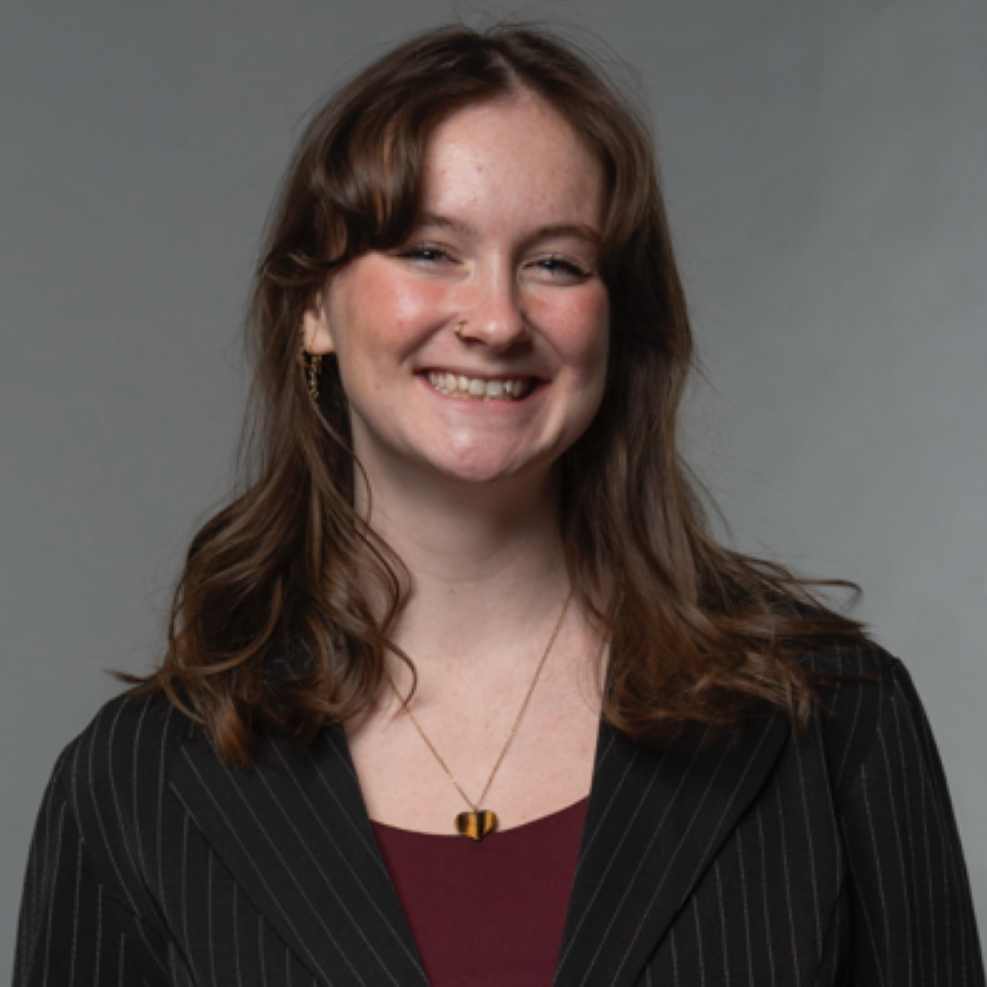
Katie Bell
Host: Catholic Charities of Southwestern Ohio
Law School: University of Cincinnati College of Law
Q: What drew you to clerking for a civil legal service non-profit?
I’m working at Catholic Charities this summer in their Immigration Legal Services Department. I have worked with the immigration and refugee population in many different settings previously, and this is the type of work I want to do in my future career, so the position was a perfect fit. I love the holistic care that a nonprofit can provide to clients, and I want to be able to use my legal education and privilege to help uplift others who are in difficult situations.
Q: What would be your lowkey superpower (not comic book cool, but still something helpful)?
My lowkey superpower is that I am able to draw from a variety of different skills. I have the legal toolkit that I’m building up in law school, I have the empathy and intrapersonal skills that come with my social work degree, and I’ve also studied Spanish for many years and can speak it almost fluently.
Q: What are you looking forward to the most during your clerkship?
I’m most looking forward to working with the clients, because that was my favorite thing from my last internship, as well as learning from the attorneys. Immigration law is so complicated, and it feels like it is changing every day, so I’m excited to learn from attorneys who specialize in this area of practice and dedicate their work to it.
Q: What has been your proudest accomplishment so far, professional or otherwise?
My proudest professional accomplishment was being a part of the team that planned, organized, and implemented the Refugee and Immigrant Mental Health Coalition of Ohio (RIMHCO) my senior year of undergrad at Community Refugee and Immigration Services. RIMHCO took months of organization and effort, but ended with us creating a state-wide network for culturally-competent mental healthcare providers specifically trained to work with the refugee and immigrant populations. This proved to be a great tool not only for social workers and case managers referring clients, but for providers to connect with others in a similar practice area as them, as well as biannual trainings in cultural competency.
Q: What do you expect to gain/learn from your summer working with your legal aid/civil legal service non-profit?
Because I want to work in the field of immigration law in my future practice, I hope to learn more about what this looks like. I want to learn more about the state of the current system, and how organizations like Catholic Charities are working to overcome all the barriers that are constantly being put in place.
Q: If you could fill one room with anything, what would it be?
If I could fill a room with anything, I would fill it with empathy. I think so many problems in our world and in our country could be solved if people had a little more empathy. If people thought about others just as much as they thought about themselves, or if they thought about how policy changes would impact people before they implemented them, I think we would have a much better functioning society. And I think the first key to achieving this is empathy, so I would fill a room with empathy. Or Ben and Jerry’s Half Baked Ice Cream.
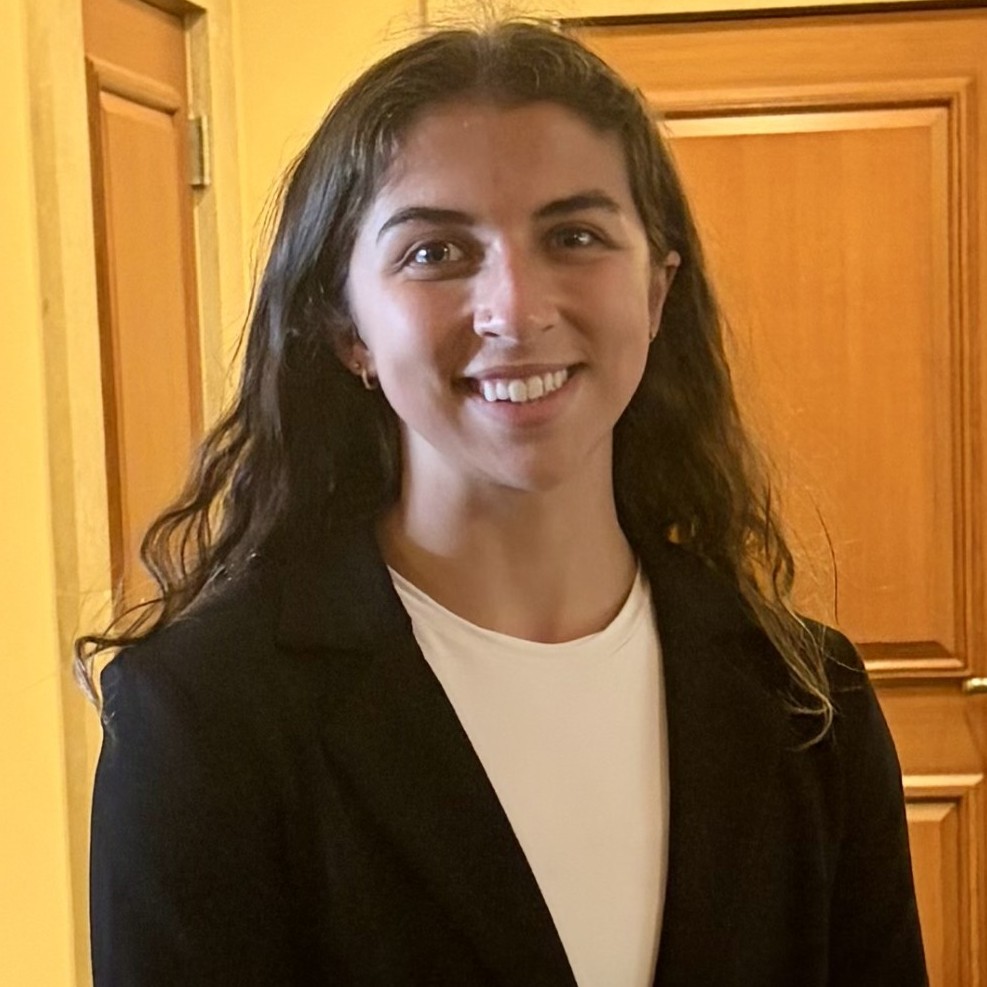
Kenady Cox
Host: Advocates for Basic Legal Equality
Law School: Case Western Reserve University School of Law
Q: What made you want to become a Justice for All Summer Clerk?
I wanted to become a Justice for All Summer Clerk because I knew that I had a passion for public interest work, and that it would be valuable experience for my future career in public interest.
Q: If you didn’t have to worry about money, what’s one thing you’d like to do?
If I did not have to worry about money I would do three things: (1) travel the world, (2) try every hobby and experience the world has to offer, and (3) provide free legal services to those who are in need.
Q: What drew you to law school?
I made the decision to attend law school while attending Lourdes University’s undergraduate criminal justice program. During the program, I was exposed to social justice issues that I felt compelled to provide my skills for. Prior to continuing my education at Lourdes, I knew poverty existed, but I did not know the implications it has for individuals and the community at large. As I learned, the stronger my passion grew to preserve the dignity of humans. I felt compelled to use my love for learning to attend law school so that I could do as much as I could to preserve the dignity in individuals as well as our community.
Q: What is something that people would not guess about you?
Something that people would not guess about me is that I played volleyball for 13 years, and I have been surrounded by it my entire life. Volleyball has taught me to be disciplined and to go the extra mile. The lessons I have learned from playing have followed me into law school and my current position with ABLE.
Q: What do you expect to gain/learn from your summer working with your legal aid/civil legal service non-profit?
While working for Advocates for Basic Legal Equality I expect to gain a deeper understanding of the issues our community is facing and how to attack those issues in the legal system. With this understanding, I hope to further my passion and ability to advocate and assist those who are in need. Additionally, I expect that I will take my experience into the last two years of law school and grow as a student in several ways.
Q: If you could fill one room with anything, what would it be?
If I could fill a room with anything I would fill it with trampolines.
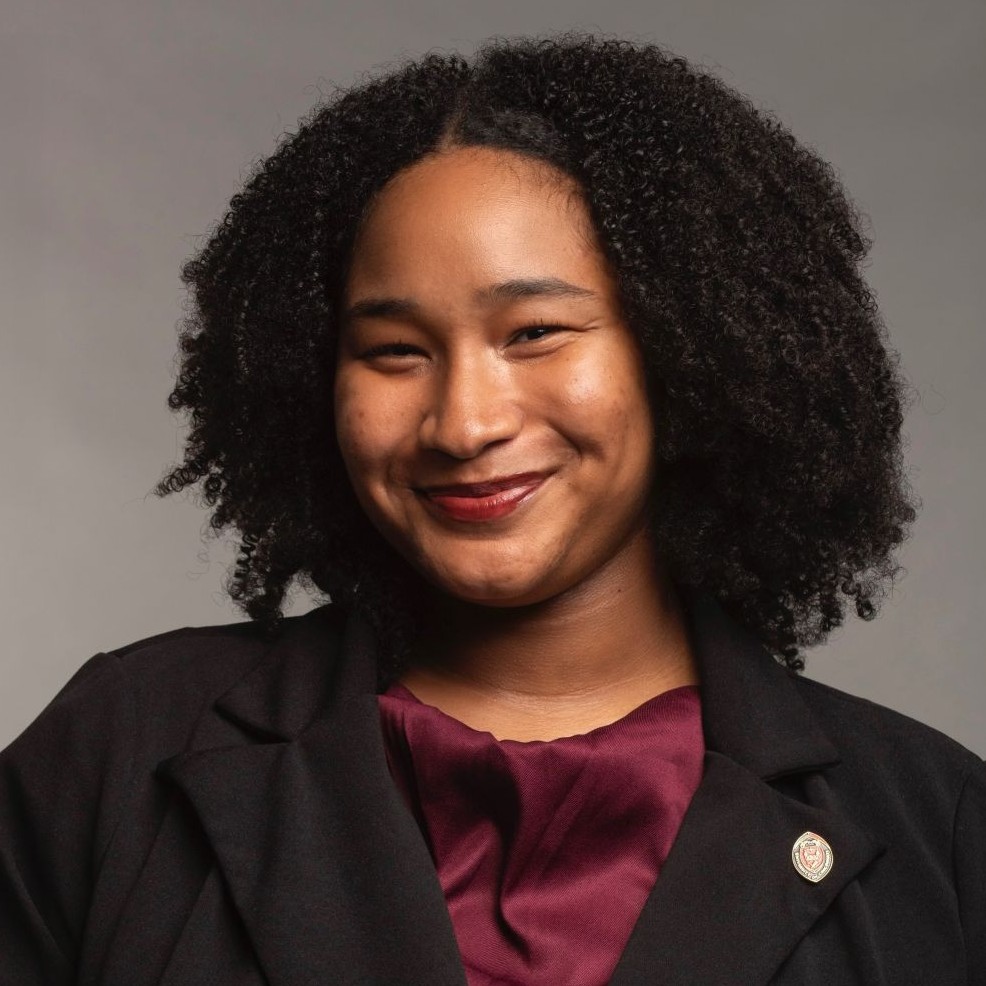
Layla Fuller
Host: Legal Aid Society of Greater Cincinnati
Law School: University of Cincinnati College of Law
Q: What drew you to clerking for a civil legal service non-profit?
My passion for helping people is what drew me to clerking for a civil legal service non-profit. There is genuinely nothing more fulfilling than helping people solve their problems.
Q: What would be your lowkey superpower (not comic book cool, but still something helpful)?
My lowkey superpower would be that I could always find lost items.
Q: What are you looking forward to the most during your clerkship?
I am looking forward to working with different practice groups to narrow down my interest of study.
Q: What has been your proudest accomplishment so far, professional or otherwise?
My proudest professional accomplishment happened during my time in AmeriCorps where I served as a Program Development Specialist at Breakthrough Cincinnati.
Q: What’s one thing you’d like to accomplish before your clerkship ends?
One thing I’d like to accomplish before my clerkship ends is to develop a fluency of housing and family law legal jargon.
Q: What fictional character do you relate to the most and why?
The fictional character I relate to the most is Winnie the Pooh. I always strive to remain curious and surround myself with good friends.
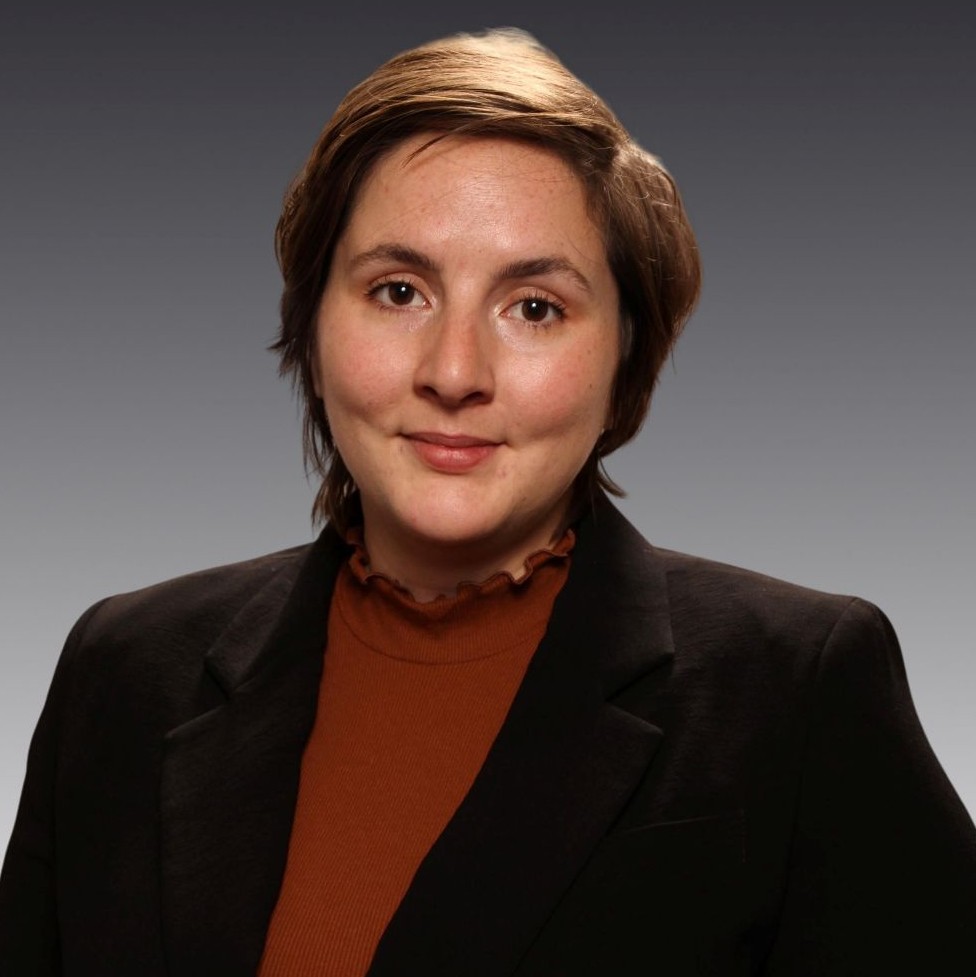
Caroline Hill
Host: Community Refugee and Immigration Services
Law School: Capital University College of Law
Q: What drew you to clerking for a civil legal service non-profit?
The same thing that drew me to law school: a desire to help people, especially those who are not used to the legal system or well-equipped at navigating it. The legal system is often described as an equalizer and non-profit legal organizations are an essential aspect of ensuring that is the case, so I am proud to be able to work with Community Refugee & Immigration Services.
Q: What would be your lowkey superpower (not comic book cool, but still something helpful)?
I pay attention to minute details that can be easily overlooked.
Q: What are you looking forward to the most during your clerkship?
I am most looking forward to working more with clients!
Q: What been your proudest accomplishment so far, professional or otherwise?
One of my accomplishments that I am most proud of is when I co-directed a grant-funded performance titled “She Too, Sings America” while working on my master’s degree.
Q: What do you expect to gain/learn from your summer working with your legal aid/civil legal service non-profit?
I think I will learn how to adapt to constantly changing conditions especially given the current state of immigration law.
Q: If you could fill one room with anything, what would it be?
Cats!
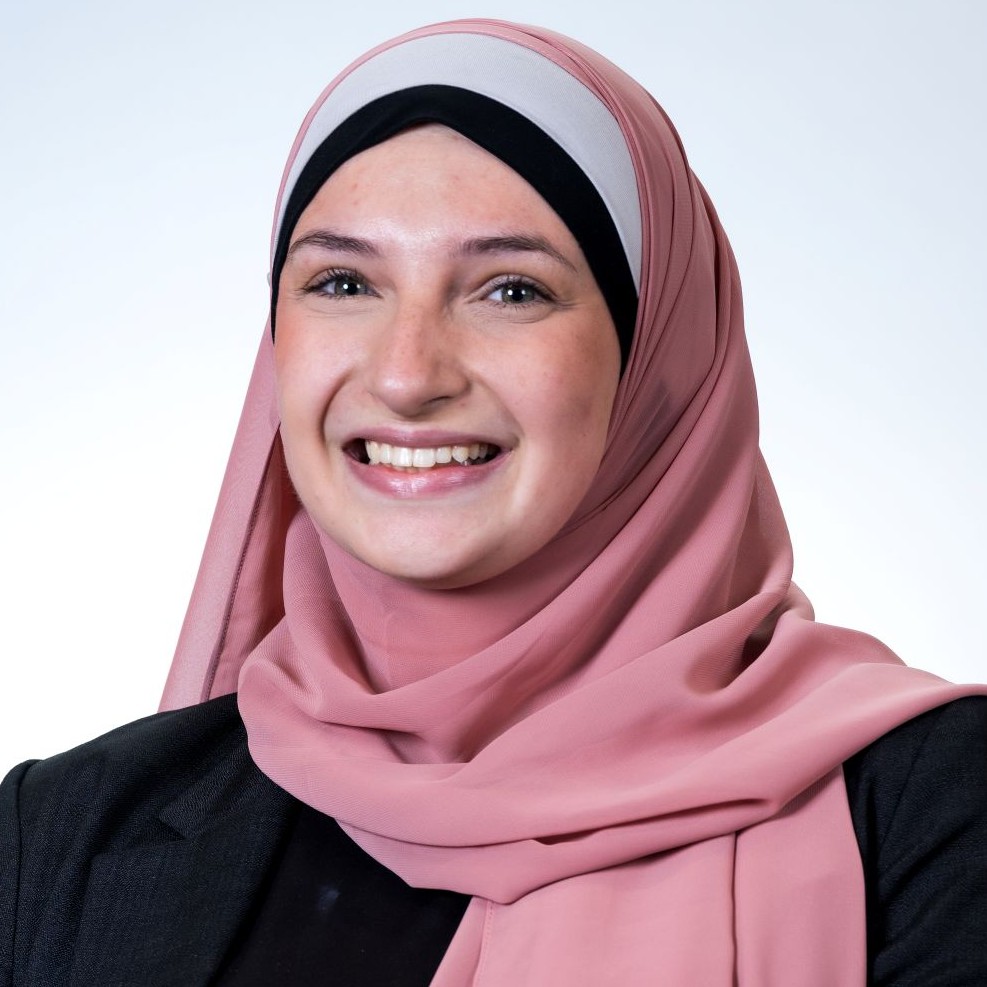
Summer Husein
Host: Legal Aid Society of Cleveland
Law School: Case Western Reserve University School of Law
Q: What drew you to clerking for a civil legal service non-profit?
My overarching career goal is to engage in work that is deeply meaningful: advocating for clients, highlighting their autonomy, and empowering them to reclaim control over their lives. While saying ‘I went to law school to make a difference’ is a cliche, for me, it is a very tangible, daily goal. I want to help dismantle the barriers within our legal and societal frameworks, transforming an often rigid system into a usable, accessible tool for everyday people. Organizations like The Legal Aid Society represent the standard of this mission. They have a mission and do not make excuses. They prove every day that civil legal services are not just about practicing law, they are about empowering communities and driving real, equitable change. Civil legal service nonprofits like The Legal Aid Society are the exact arenas where this systemic change happens. They don’t just offer legal advice; they actively demystify the law and hand people back their power. Civil legal service nonprofits also take a holistic approach to every client. They don’t just treat a single legal issue and move on to the next case; they practice true holistic advocacy. They look at the whole person, recognizing that legal crises are often intertwined with other systemic challenges. Their goal is not just to resolve a number, but to dismantle surrounding barriers, ensuring that when a client leaves, they are fully equipped and empowered to move forward with long-term stability.
Q: What would be your lowkey superpower (not comic book cool, but still something helpful)?
My lowkey superpower would be the ability to speak in every language. I can speak English and am conversational in Arabic, and I have already seen how quickly walls come down when you make the effort to communicate with someone in their native tongue. To me, this superpower is not just about translating words; it is about instant connection and being able to help people of all different backgrounds. It would allow me to be a safe harbor for anyone, anywhere. In a chaotic world, being able to talk to someone and offer empathy and a listening and understanding ear in their own language is the ultimate way to offer comfort, build trust, and make people feel truly seen.
Q: What are you looking forward to the most during your clerkship?
As I return for my second summer as a Family Law Associate at the Legal Aid Society of Cleveland, I am incredibly eager to dive deeper into the complexities of family law, particularly its critical intersection with domestic violence. My first summer, I got a crash course in family law: doing intakes, conducting client interviews, learning the black letter law, writing pleadings, and sitting in on hearings. Now that I have established that foundational framework, I am most excited to elevate my practical skills. I look forward to taking on more complex challenges, doing in-depth legal research, expanding my legal knowledge, and becoming a more deeply effective advocate for survivors.
Q: What has been your proudest accomplishment so far, professional or otherwise?
If I were to separate my proudest accomplishments, I would point to two things that are deeply intertwined: my work with my clients, and the personal journey it took to get here. Professionally, my greatest accomplishment isn’t a single case or a specific verdict; it is the daily work of restoring my clients’ autonomy. I went to law school for that exact purpose. Our legal system is incredibly complex and often fails to provide vulnerable people with the resources or transparency they need to advocate for themselves. To me, every single ‘win’—whether that means securing a favorable legal outcome or simply demystifying the process so a client finally feels heard and in control of their own life—is a massive triumph. Personally, my proudest life accomplishment is simply blazing this trail. I am a first-generation college and law student. My parents worked tirelessly to unlock doors for me, sacrificing so I could take advantage of every opportunity. Navigating the legal field as a proud Palestinian-American Muslim woman has meant stepping into spaces that weren’t historically built for me. Being able to persevere, remain hyper-focused on my goals, and honor my family’s sacrifices by becoming a fierce advocate for others is, without a doubt, my greatest life achievement.
Q: What’s one thing you’d like to accomplish before your clerkship ends?
One of my major goals before this clerkship ends is to fully understand how to manage a family law case from start to finish. Law school teaches us the ‘what’ and ‘why’ of the law, but it rarely prepares us for the ‘how’—the practical, day-to-day realities of guiding a case through the system. For clients facing chaotic and vulnerable situations, especially in cases involving domestic violence, they need an advocate who knows the procedural roadmap intimately and understands the importance of not just being an advocate but also a counselor. By mastering the entire lifecycle of a case, from the first interview to the final decree, I can be a steady anchor for my clients, turning theoretical legal concepts into real, practical solutions.
Q: What fictional character do you relate to the most and why?
I have always related deeply to Meredith Grey, a character defined by her undeniable grit and her ability to be an anchor in the storm. Meredith’s true superpower isn’t just her surgical skill; it’s her deep empathy for people at their most vulnerable. In a fast-paced, life-or-death environment, she operates as the stabilizing force, absorbing the panic in the room and transforming it into solution-driven action. I see my own purpose reflected in her approach, and it is the core reason I am so passionate about working with vulnerable populations. When clients are facing the intense chaos of domestic violence or family law disputes, they need someone who will not flinch. They need a steady navigator to guide them through a confusing legal maze, and an empathetic listening ear to validate their trauma. I strive to be that safe harbor for them. Beyond being that steady presence, Meredith is also a fierce ‘mountain mover.’ She is never afraid to bravely call out an inefficiency or relentlessly execute a solution to save a patient. Relating to Meredith is a constant reminder that to effectively help people in crisis, you must pair the compassion to listen with the fierce perseverance to act.
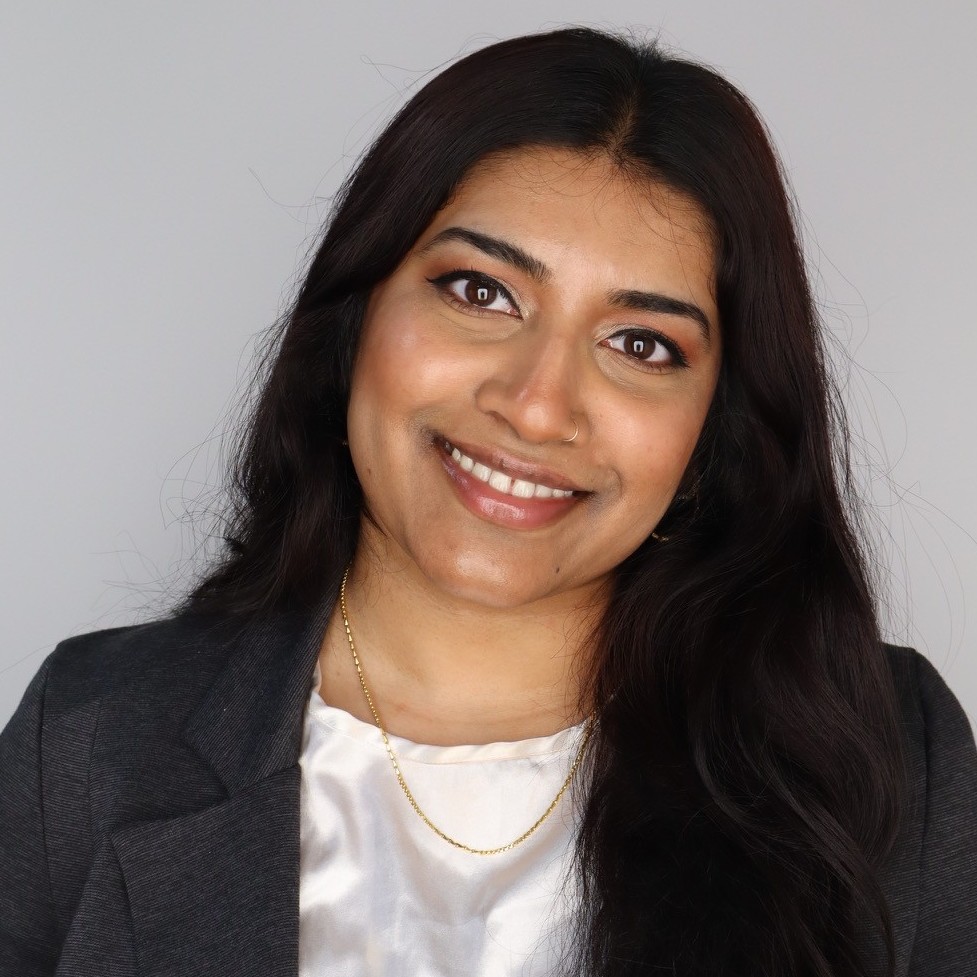
Anna Koduru
Host: International Institute of Akron
Law School: University of Akron School of Law
Q: What made you want to become a Justice for All Summer Clerk?
One of my favorite parts about this legal career I am pursuing is its networking aspect. Some of my favorite jobs and life experiences were a result from making past connections with professors and lawyers in college. By utilizing my summer to attend some of the Justice for All events, I will get a better perspective of what my future looks like and also establish good connections and foundations with Ohio judges/attorneys.
Q: If you didn’t have to worry about money, what’s one thing you’d like to do?
I love theatre and music! My childhood dream was to be either a pianist, actress, or song-writer for Broadway musicals.
Q: What drew you to law school?
At first, it was to follow my oldest sister’s footsteps. But as I got older and participated more in society, I desired to help my community in the most impactful ways possible: through the law. Amongst all the suffering and hardships I observe, the law can affect every single one of those circumstances. So, I want to be a servant of the people and help in any area I can. My goal is to work in civil rights, and I am also interested in the policymaking and judicial side of things.
Q: What is something that people would not guess about you?
I grew up homeschooled until college! People are using shocked to learn that, and I’ve developed some niche TV interests most likely from this upbringing (let’s chat LOTR, Narnia, BBC series Merlin, or Anne of Green Gables!)
Q: What do you expect to gain/learn from your summer working with your legal aid/civil legal service non-profit
I think I’ll develop stronger interpersonal communication skills because I’ll be working directly with the clients. I get to have meetings with them to help fill out forms and create their case files in our software system. It will be great to interact face to face with the many families that are impacted by immigration laws and support them with the legal skills I’ve learned so far.
Q: If you could fill one room with anything, what would it be?
The jalapeno sauce Taco Bell puts in their chicken quesadillas…if you know, you know.
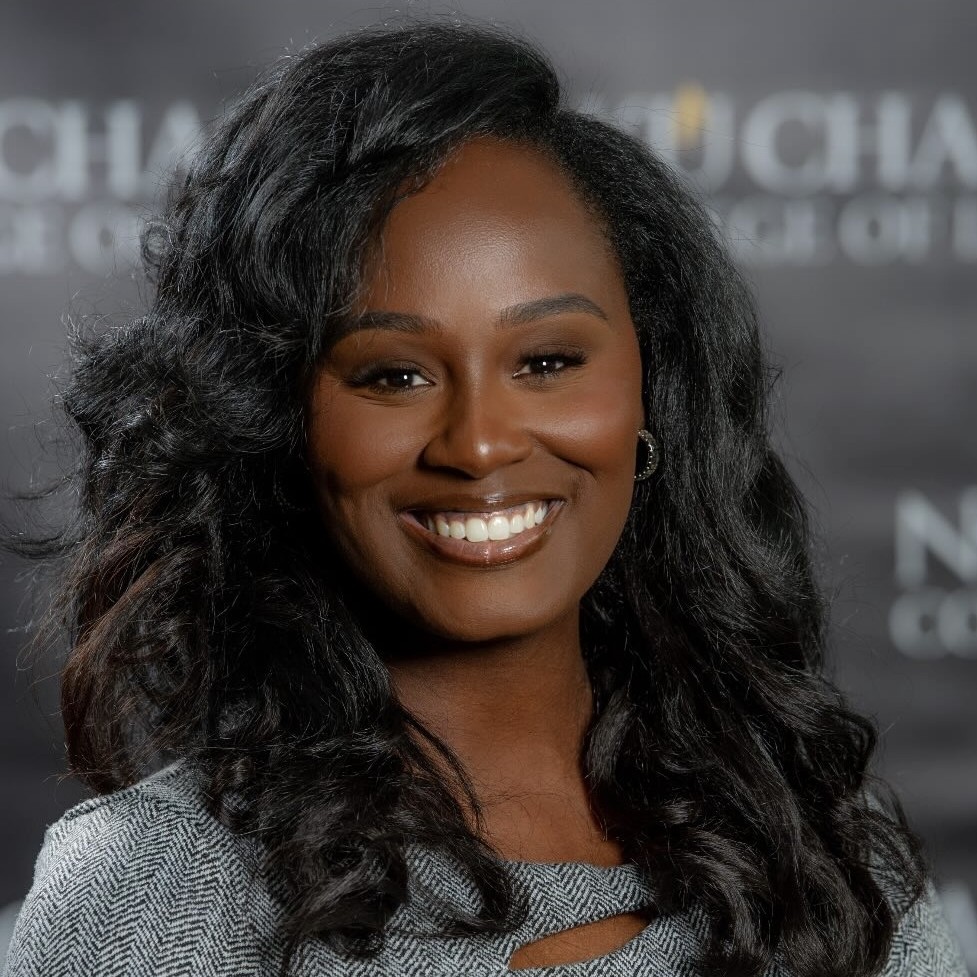
Jasmine McGowan
Host: Pro Seniors, Inc.
Law School: Northern Kentucky University Chase College of Law
Q: What drew you to law school?
I was drawn to law school because I’ve always been passionate about helping people and advocating for those who may not fully understand their rights or access to resources. My experiences working with individuals and families facing difficult circumstances showed me how important legal advocacy is, especially within underserved communities. I wanted to gain the knowledge and skills necessary to make a meaningful impact and help people navigate systems that can often feel overwhelming.
Q: What has been your proudest accomplishment so far, professional or otherwise?
One of my proudest accomplishments has been balancing motherhood while pursuing a legal education. Managing law school, work, and raising my daughter has required resilience, discipline, and sacrifice. Despite personal challenges, I’ve continued pushing forward toward my goals, and I’m proud of the example I’m setting for my daughter through perseverance and determination.
Q: What are you looking forward to the most during your clerkship?
I’m looking forward to gaining hands on experience serving the community through Pro Seniors while continuing to strengthen my legal research, writing, and client communication skills. I’m especially excited to work on matters that directly impact older adults and help them navigate important legal issues affecting their everyday lives.
Q: If you could fill one room with anything, what would it be?
If I could fill one room with anything, it would be all of my friends and family.
Q: What do you expect to gain/learn from your summer working with your legal aid/civil legal service non-profit?
Through my experience with Pro Seniors, I hope to gain a deeper understanding of elder law and the legal issues that commonly affect older adults. I’m especially interested in learning more about wills, deeds, survivorship affidavits, transfer-on-death designations, and property related matters.
Q: What fictional character do you relate to the most and why?
I would say Jax from Reasonable Doubt. I admire her confidence, resilience, and ability to navigate high pressure situations while still remaining authentic to herself. She’s ambitious, intelligent, and determined, but also human and relatable, which is something I connect with personally.

Amishi Singh
Host: Legal Aid of Southeast and Central Ohio
Law School: The Ohio State University Moritz College of Law
Q: What made you want to become a Justice for All Summer Clerk?
I wanted to become a Justice for All Summer Clerk in order to provide access to justice and contribute to pro bono legal work.
Q: What would be your lowkey superpower (not comic book cool, but still something helpful)?
If I could have a lowkey superpower it would be to speak and understand any language
Q: What are you looking forward to the most during your clerkship?
I am looking forward to gaining practical legal skills and giving back to the Columbus community through pro bono legal services
Q: If you didn’t have to worry about money, what’s one thing you’d like to do?
If I didn’t have to worry about money I would love to travel.
Q: What’s one thing you’d like to accomplish before your clerkship ends?
I would like to complete a research project about evictions and access to justice.
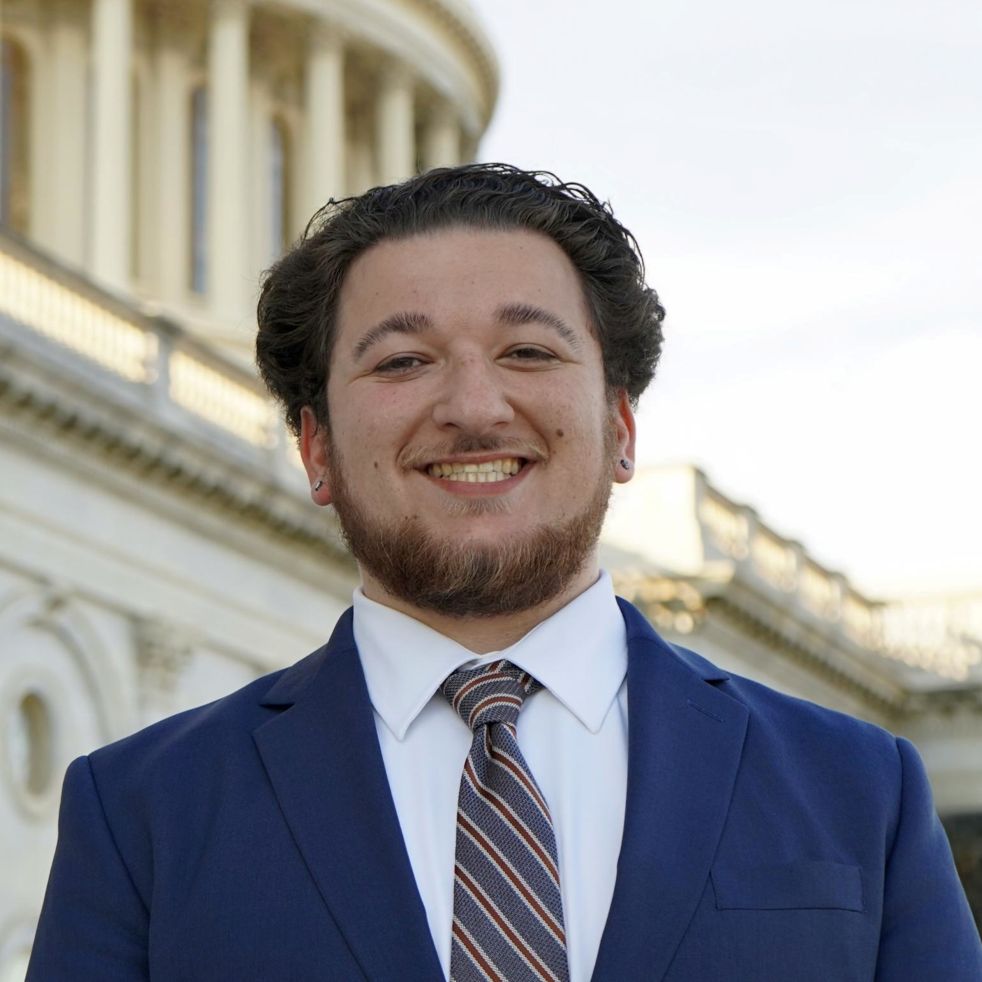
Harry Suddleson
Host: Equality Ohio
Law School: Case Western Reserve University School of Law
Q: What made you want to become a Justice for All Summer Clerk?
I wanted to become a Justice for All Summer Clerk because I have always been drawn to public interest work. I believe that everyone deserves to have meaningful access to the law as a tool for solving the problems in their lives, but too often, legal aid is inaccessible to those who need it the most. The Justice for All Summer Clerkship Program helps ensure that more people have access to high-quality legal representation they need.
Q: What would be your lowkey superpower (not comic book cool, but still something helpful)?
My lowkey superpower would be having a video game inventory system. I could store things out of sight and carry them with me without having to physically carry anything, then pull them back out whenever I need them. I’d never lose anything again!
Q: What are you looking forward to the most during your clerkship?
I’m looking forward to getting hands-on experience working with clients, and getting experience in all of Equality Ohio’s practice areas.
Q: If you didn’t have to worry about money, what’s one thing you’d like to do?
If money was no object, I’d want to go to space (and come back safely). Not necessarily for very long, but I’ve always wanted to experience zero gravity and see the Earth from space.
Q: What’s one thing you’d like to accomplish before your clerkship ends?
Before my clerkship ends, I’d like to become more comfortable explaining legal processes and rules to clients in plain language, so they can better understand the process we are helping them navigate and why each step matters.
Q: What is something that people would not guess about you?
I can play many different percussion instruments!